上海视觉

上海视觉 ›› 2026, Vol. 0 ›› Issue (2): 109-115.

• 艺术实践 • 上一篇    下一篇

新质生产力视域下AIGC视听作品的创作探析

周敏, 兰钦   

  1. 广东财经大学佛山 528100
  • 出版日期:2026-06-20 发布日期:2026-07-20
  • 作者简介:周敏(1980— ),女,中国传媒大学博士,广东财经大学湾区影视产业学院教授,硕士生导师。研究方向为影视文化。
    兰钦(1995— ),男,广东财经大学湾区影视产业学院硕士在读。研究方向为影视内容创作。
  • 基金资助:
    2025年广东省研究生示范课程建设项目“视听语言”(编号2025KCJS_051);2026年度佛山市社科项目“‘工业美学’视域下佛山城市形象新媒体传播路径研究”(编号2026-GJ041);2023年广东省一流课程“影视视听语言”(编号粤教高函[2023]33号的阶段性成果)

An Analysis of the Creation of AIGC Audiovisual Works in the Perspective of New Quality Productivity

ZHOU Min, LAN Qin   

  • Online:2026-06-20 Published:2026-07-20

摘要:

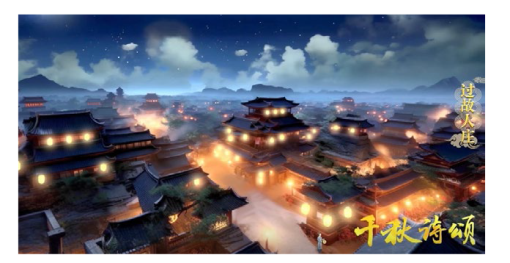
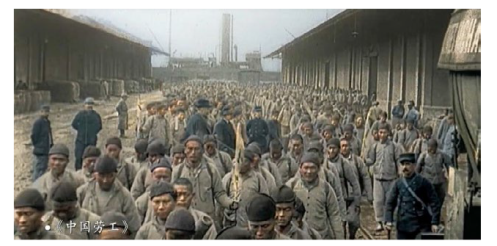
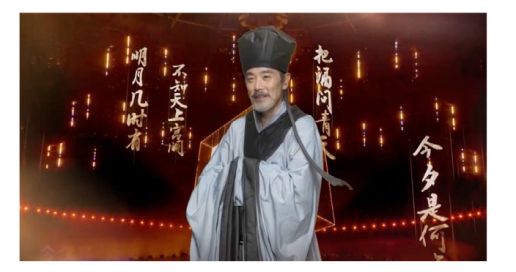
生成式人工智能作为文化新质生产力,正以数字赋能的形式革新影视作品的创作构思与审美呈现。本文以央视视听媒体大模型生成的视听作品为案例,从创作路径的“生产重构”、内容元素的“智能匹配”与艺术表达的“审美提升”三方面进行AIGC视听作品的创作探析。在AI化生产中,从指令互动到创作互构,从现实仿造到虚拟真实,从线性讲述到故事生成系统,实现创作主体、视听场景与叙事手法的重构。在AI化匹配中,凭借多模态融合技术、认知动态逻辑、生态协同价值,实现从技术底层到认知逻辑再到生态维度的递进式革新。最后通过AI化审美,展现了数据驱动的形式审美、经典文化的动态转译与东方美学的范式创新。未来,AIGC需要健全以人为本的人机协同机制,产出更为丰富的视听文化表达。


关键词: 生成式AI, 生产重构, 智能匹配, 审美提升

Abstract:

As a new form of productive forces in culture, generative AI is revolutionizing the creative conception and aesthetic presentation of audio-visual works through digital empowerment. Based on the case study of audio-visual works generated by the CCTV audio-visual media large model, this paper explores the creation of AIGC audio-visual works from three aspects: “productive reconstruction” of creative paths, “intelligent matching” of creative content, and “aesthetic empowerment” of artistic expression. In AI-driven production, from instruction interaction to creative co-construction, from realistic imitation to virtual reality, and from linear narration to story generation systems, the reconstruction of creative subjects, audio-visual scenes, and narrative techniques is realized. Overall, AI-based matching leverages multimodal fusion technology, cognitive dynamic logic, and ecological collaborative value. It achieves progressive innovation from the technical bottom layer to cognitive logic, and then to the ecological dimension. Finally, through an AI-based presentation, it demonstrates data-driven formal aesthetics, dynamic translation of classic culture, and paradigm innovation of Oriental aesthetics. In the future, AIGC needs to improve the people-oriented human-machine collaboration mechanism to produce richer audio-visual cultural expressions.

Key words: Generative AI, Creative Reconstruction, Intelligent Matching, Aesthetic Empowerment