| [1] |
黄能馥, 陈娟娟. 中国丝绸科技艺术七千年历代织绣珍品研究[M]. 北京: 中国纺织出版社, 2002:116.
|
| [2] |
赵丰, 尚刚, 龙博. 中国古代物质文化史纺织上[M]. 北京: 开明出版社, 2014:221.
|
| [3] |
宿白. 宿白讲稿上[M]. 北京:三联书店有限公司, 2021:181; 黄能馥, 陈娟娟. 中国丝绸科技艺术七千年历代织绣珍品研究[M]. 北京:中国纺织出版社, 2002:116; 郭廉夫, 丁涛. 中国纹样辞典[M]. 天津: 天津教育出版社, 1998:183.
|
| [4] |
王言升, 张蓓蓓. 基于多元融合视角下中国传统丝绸图案设计变革[J]. 丝绸, 2016(07):57.
|
| [5] |
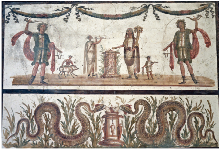
Flower H. I. The Dancing Lares and the Serpent in the Garden: Religion at the Roman Street Corner[M]. Princeton University Press, 2017:5, 21.
|
| [6] |
Yamamoto Y. The Zoroastrian Temple Cult of Fire in Archaeology and Literature(I)[J]. Orient, 1979(15):24-25.
|
| [7] |
余太山. 希腊和古代中亚读书札记[M]. 北京: 商务印书馆, 2023:127.
|
| [8] |
Di Castro A. A. Hestia, a Tabula Iliaca and Poseidon's trident: Symbols' adaptations of some Bactrian and Gandhāran divinities[J]. ASCS 33 Selected Proceedings, 2012:4.
|
| [9] |
[伊朗]图拉吉·达利遥义. 萨珊波斯帝国的崛起与衰落[M]. 吴赟培, 译. 北京: 北京大学出版社, 2021:15.
|
| [10] |
Brokalakis Y. Introducing new gods and new domestic cult practices: on Lar statuettes and bronze figurine assemblages from Roman Greece and Asia Minor[J]. Thiasos, 2022(11):165-167.
|
| [11] |
张庆捷, 虞弘墓图像中的波斯文化因素[C]//叶奕良编. 伊朗学在中国论文集第3集. 北京: 北京大学出版社, 2003:237-255.
|
| [12] |
[俄]鲍里斯·马尔夏克. 中亚壁画映照出的波斯、希腊、印度三大文明[J]. 毛铭, 译. 史志学刊, 2017(03):26.
|
| [13] |
山西省考古研究所, 太原市文物考古研究所, 太原市晋源区文物旅游局. 太原隋虞弘墓[M]. 北京: 文物出版社, 2005:144, 197.
|
| [14] |
Sofroniew A. The dress of the dancing lares[J]. Textiles in motion, Oxbow Books, 2023:57-67.
|
| [15] |
Laing G. The Origin of the Cult of the Lares[J]. Classical Philology. vol. 2, 1921, 16(2):137.
|
| [16] |
Orr D. G. Roman Domestic Religion: the Evidence of the Household Shrines[M]. Berlin and New York: De Gruyter. II, 1978:1566.
|
| [17] |
Bathrellou E., Vlassopoulos K. Greek and Roman Slaveries[M]. John Wiley & Sons, 2022:332.
|
| [18] |
Waites M. C. The nature of the Lares and their representation in Roman art[J]. American Journal of Archaeology, 1920, 24(3):255.
|
| [19] |
Pollini J. A New Bronze Lar and the Role of the Lares in the Domestic and Civic Religion of the Romans[J]. Latomus, 2008:396.
|
| [20] |
Graham E. J. At home with the Lares: Lived religion rematerialised at Pompeii[J]. Open Arts Journal, 2021, 10(2):39.
|
| [21] |
孙机. 论西安何家村出土的玛瑙兽首杯[J]. 文物, 1991(06):84.
|
| [22] |
Herbert H. Rhyta and kantharoi in greek ritual[J]. Greek Vases in the J. Paul Getty Museum. Vol. 2, Oxford University Press, 1983(4):137.
|
| [23] |
齐东方. 唐代金银器研究[M]. 北京: 中国社会科学出版社, 1999:410-411.
|
| [24] |
程雅娟. 从赫梯血祭器至粟特贵族酒具——跨越欧亚文明的兽饰“来通”东传演变考[J]. 民族艺术, 2019(03):65-67.
|
| [25] |
Mesbah B., Dadvar A. Mythological Analysis of Form and Shape in Achaemenian Rhytons[J]. Bagh-e Nazar, vol. 72, 2019, 16(72):23-34.
|
| [26] |
Holo S. Unpublished Apulian Rhyta[J]. The J. Paul Getty Museum Journal, 1974:85.
|
| [27] |
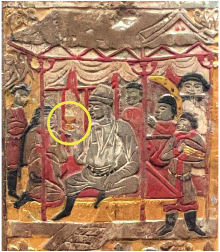
韩伟. 北周安伽墓围屏石榻之相关问题浅见[J]. 文物, 2001(01):90-101; 毕波. 虞弘墓所谓“夫妇宴饮图”辨析[J]. 故宫博物院院刊, 2006(01):66-83.
|
| [28] |
程雅娟. 吉美博物馆藏入华粟特人围屏石塌图像新考[J]. 艺术设计研究, 2024(02):28-29.
|
| [29] |
[法] 德凯琳, 黎北岚. 巴黎吉美博物馆展围屏石榻上刻绘的宴饮和宗教题材[C]施纯琳, 译. //张庆捷,李书吉,李钢. 4—6世纪的北中国与欧亚大陆. 北京: 科学出版社, 2006:114-122.
|
| [30] |
张桢. 目前发现入华胡人石质葬具图像中反映的酒文化[J]. 文博, 2010(03):40.
|
| [31] |
[美] 佛朗西斯科·路易斯. 何家村来通与中国角形酒器(觥)——醉人的珍稀品及其集藏史[C]杨瑾, 译. //陕西历史博物馆. 陕西历史博物馆馆刊第24辑, 西安: 三秦出版社, 2017:266.
|
| [32] |
[伊朗]贾利尔·杜斯特哈赫. 阿维斯塔琐罗亚斯德教圣书[M]. 元文琪, 译. 北京: 商务印书馆, 2005:88.
|
| [33] |
祝媛超. 饮酒、癫狂与重生——大昭寺兽首鎏金银壶反弹琵琶图像考源[J]. 艺术工作, 2021(02):79.
|
| [34] |
赵丰. 中国丝绸艺术史[M]. 北京: 文物出版社, 2005:68.
|
| [35] |
王乐, 赵丰. 从中国到罗马——帕尔米拉出土丝绸图案体现的艺术交流[J]. 艺术百家, 2018(05):201.
|
| [36] |
姜伯勤. 敦煌莫高窟隋供养人胡服服饰研究[C]// 郝春文主编. 敦煌文献论集纪念敦煌藏经洞发现一百周年国际学术研讨会论文集. 沈阳: 辽宁人民出版社, 2001:359.
|
| [37] |
曹中俊. 粟特艺术东传与丝绸之路青海道——以彩绘棺板画为考察核心[C]// 罗丰. 丝绸之路考古第6辑. 北京: 科学出版社, 2023:121-143.
|
| [38] |
李昀. 使者与商人:6—8世纪粟特和中国的交往与职贡图绘[J]. 丝绸之路研究集刊, 2022(02):312.
|
| [39] |
程玉萍. 隋唐两京地区胡俑风格研究[D]. 陕西: 陕西师范大学, 2019:17.
|
| [40] |
[日] 影山悦子. 粟特人在龟兹:从考古和图像学角度来研究[A]. 毛铭, 译. 荣新江, 罗丰. 粟特人在中国:历史、考古、语言的新探索[C]. 北京: 中华书局, 2005:192.
|
| [41] |
荣新江. 丝绸之路与东西文化交流[M]. 北京: 北京大学出版社, 2015:67-69.
|
| [42] |
武敏. 吐鲁番出土蜀锦的研究[J]. 文物, 1984(06):79.
|
| [43] |
许新国. 青海都兰吐蕃墓出土太阳神图案织锦考[J]. 中国藏学, 1997(03):80.
|