| [1] |
陈林侠. 主体性、问题导向与建构电影学术体系[J]. 电影艺术, 2025(02): 12-19.
|
| [2] |
Hasson U, Landesman O, Knappmeyer B, Vallines I, et al. Neurocinematics: The neuroscience of film[J]. Projections, 2008, 2(1):1-26.
|
| [3] |
Hasson U, Nir Y, Levy I, et al. Intersubject synchronization of cortical activity during natural vision[J]. Science, 2004, 303(5664):1634-1640.
|
| [4] |
Bartels A, Zeki S. Functional brain mapping during free viewing of natural scenes[J]. Human Brain Mapping, 2004, 21(2): 75-85.
|
| [5] |
Bartels A, Zeki S. The chronoarchitecture of the cerebral cortex[J]. Philosophical Transactions of the Royal Society B: Biological Sciences, 2005, 360(1456):733-750.
|
| [6] |
Ghazanfar A, Shepherd V. Monkeys at the movies: What evolutionary cinematics tells us about film[J]. Projections, 2011, 5(2):1-25.
|
| [7] |
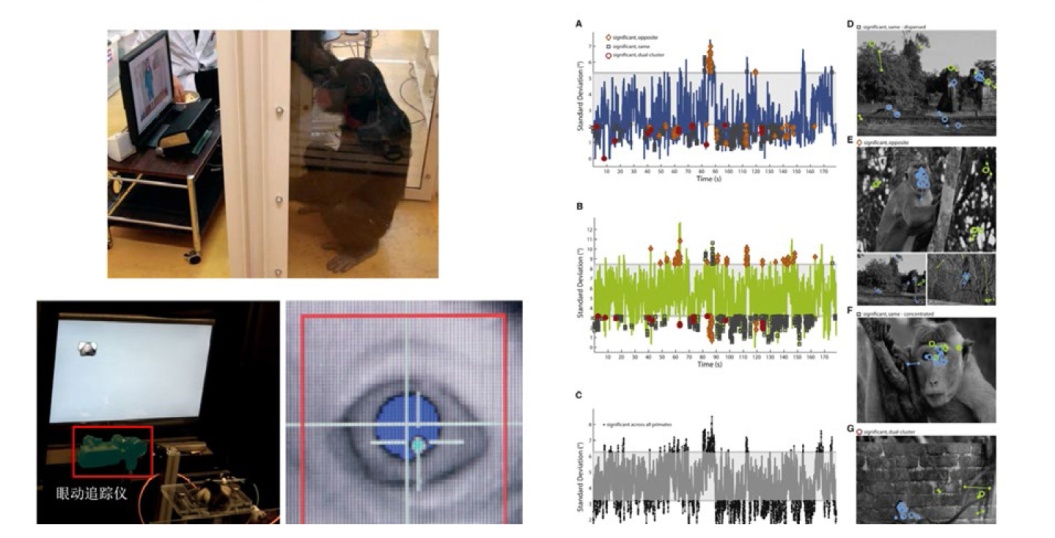
Shepherd V, Steckenfinger A, Hasson U, et al. Human-monkey gaze correlations reveal convergent and divergent patterns of movie viewing[J]. Current Biology, 2010, 20(7):649-656.
|
| [8] |
Santavirta S, Wu Y, Nummenmaa L. GPT-4V shows human-like social perceptual capabilities at phenomenological and neural levels[J]. bioRxiv, 2024, 08.
|
| [9] |
Shimamura P, Palmer E. Aesthetic Science: Connecting Minds, Brains, and Experience[C]. Oxford University Press, 2012:3.
|
| [10] |
Shimamura P. Psychocinematics: Exploring Cognition at the Movies[C]. Oxford University Press, 2013:1-26.
|
| [11] |
Shimamura P. Experiencing Art: In the Brain of the Beholder[M]. Oxford University Press, 2013:3-14.
|
| [12] |
D'Aloia A, Eugeni R. Neurofilmology. Audiovisual studies and the challenge of neuroscience[J]. Cinema & Cie, 2014, 14(22/23):13.
|
| [13] |
D'Aloia A. Neurofilmology of the Moving Image: Gravity and Vertigo in Contemporary Cinema[M]. Amsterdam University Press, 2021:20.
|
| [14] |
Gallese V, Guerra M. The Empathic Screen: Cinema and Neuroscience[M]. Oxford University Press, 2019.
|
| [15] |
刘童玮. 具身神经电影学: 实验美学的视角[C]. 中国心理学会理论心理学与心理学史专业委员会2024年学术年会论文集. 2024:131.
|
| [16] |
陈巍, 刘童玮. 大脑即银幕: 镜像神经元与神经电影学的具身模拟革命[J]. 北京电影学院学报, 2023(07):26-35.
|
| [17] |
Wijdicks F. Neurocinema—the Sequel: A History of Neurology on Screen[M]. CRC Press, 2022.
|
| [18] |
Pisters P. The Neuro-image: A Deleuzian Film-philosophy of Digital Screen Culture[M]. Stanford University Press, 2012.
|
| [19] |
安娜·赫德伯格·奥利尼娜, 蒋兰心, 王文斌. 爱森斯坦、神经电影学与具身认知[J]. 北京电影学院学报, 2023(09):16-24.
|
| [20] |
Ildirar S, Ewing L. Revisiting the Kuleshov effect with first-time viewers[J]. Projections, 2018, 12(1):19-38.
|
| [21] |
Sanz-Aznar J, Bruni E, Soto-Faraco S. Cinematographic continuity edits across shot scales and camera angles: an ERP analysis[J]. Frontiers in Neuroscience, 2023, 17:1173704.
|
| [22] |
刘童玮. “后电影地形”测绘:电影经验的重新定位[J]. 北京电影学院学报, 2025(01):37-47.
|
| [23] |
戴潘. 神经、媒介与习惯:一种新的认知延展视角[J]. 哲学分析, 2025, 16(04):147-161.
|
| [24] |
陈巍, 刘童玮. “自下而上的”美学: 费希纳与实验美学的初创[J]. 美育学刊, 2025(02): 29-38.
|
| [25] |
刘童玮. 美学与认知科学的融通: 预测加工的视角[J]. 美与时代, 2025(08):8-13.
|