上海视觉

上海视觉 ›› 2025, Vol. 0 ›› Issue (4): 18-26.

• 汉风宋韵:中国古代艺术符号的文化阐释 • 上一篇    下一篇

汉唐人物画线描语汇的嬗变

奚凯   

  1. 中国美术学院杭州 310024
  • 出版日期:2025-12-20 发布日期:2025-12-22
  • 作者简介:奚凯(1995— ),男,中国美术学院博士在读。研究方向为书画鉴藏。

The Evolution of Line-Drawing Lexicon in Figure Painting from the Han to the Tang Dynasty

XI Kai   

  • Online:2025-12-20 Published:2025-12-22

摘要:

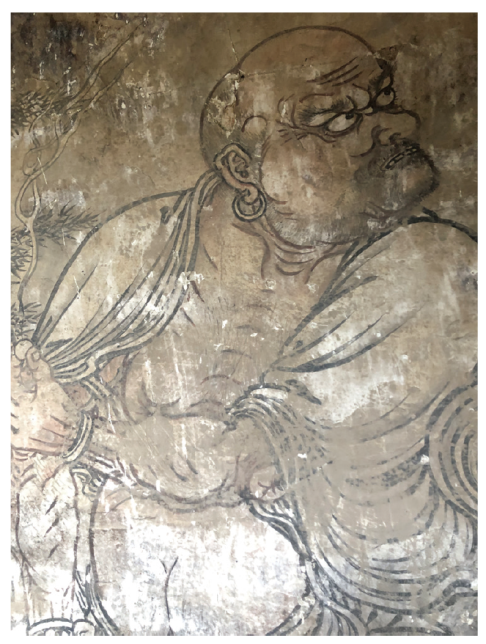
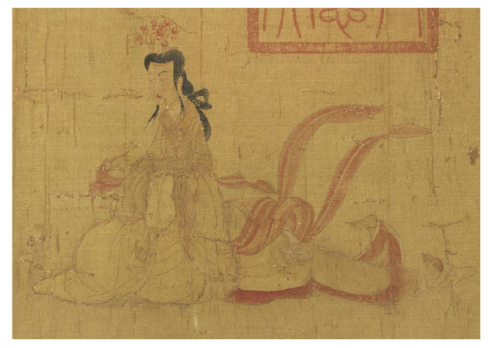
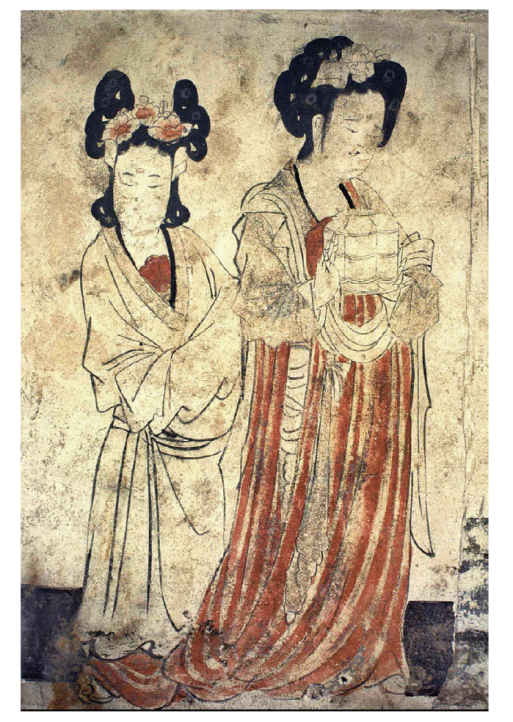
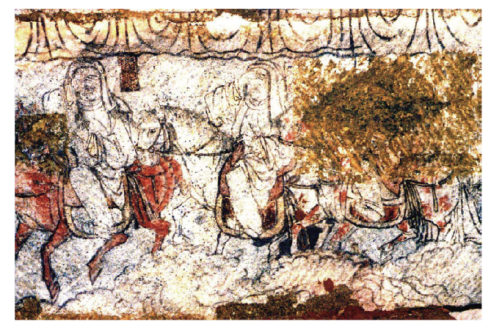
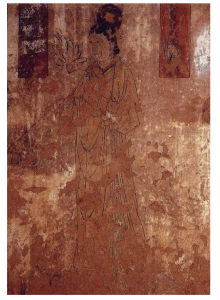
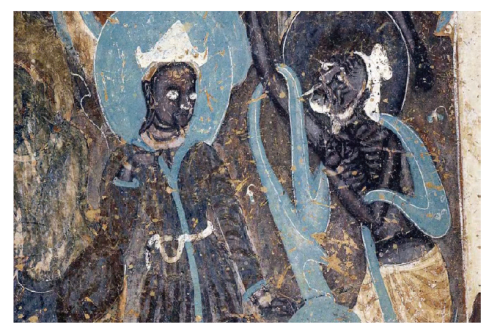
线描是传统人物画的核心技法,在公元前3世纪至公元10世纪的历史演进中,其三维表现能力显著提升,形成了完整的再现性线描语汇体系。6世纪以前,人物画线描结构总体固守二维平面特征。以6世纪为分水岭,在书体革新与西域凹凸画东渐的双向作用下,以张僧繇为代表的画家以书法用笔再现立体造型,实现了线描技法由“密体”到“疏体”的突破,构建了具有空间纵深感的线性结构范式。该转型进程历经隋唐时期的沉淀、深化,最迟于10世纪前后趋于完善。这一嬗变过程不仅映射出中外造型观念的碰撞与互动,更凸显了本土绘画传统对外来技法语言的视觉转化机制。

关键词: 人物画, 线描, 张僧繇, 新体书风, 凹凸画

Abstract:

Line drawing constitutes the fundamental technique in traditional Chinese figure paintings. During its historical evolution from the 3rd century BC to the 10th century AD, its three-dimensional representational capacity underwent significant enhancement, culminating in a sophisticated lexicon of representational linear techniques. Prior to the 6th century, line drawing structure in figure paintings predominantly adhered to two-dimensional planar attributes. The 6th century serves as a pivotal turning point. Under the dual influence of calligraphy style innovation and the eastward diffusion of concave-convex paintings from Western regions, Pioneering artists exemplified by Zhang Sengyao achieved a paradigmatic breakthrough in linear techniques through calligraphic brushwork applications that replicated three-dimensional forms, thereby actualizing the transformative shift from "compact style" to "sparse style", this culminative innovation established a novel linear structural paradigm imbued with measurable spatial depth perception.This transformation underwent refinement during the Sui and Tang dynasties, reaching its culmination by the 10th century. This evolution reflects both the collision between Chinese and foreign formative concepts and illuminates the visual conversion mechanisms through which indigenous painting traditions adapted foreign technical languages.

Key words: Figure Painting, Line Drawing, Zhang Sengyao, Novel Calligraphy Style, Concave-convex Painting