上海视觉

上海视觉 ›› 2025, Vol. 0 ›› Issue (4): 126-135.

• 教学探索 • 上一篇    下一篇

设计学大类培养模式下二维设计基础课程教学设计与实践——以北京服装学院“形式基础:视觉”课程为例

朱天航, 彭璐, 贾煜洲, 车飞   

  1. 北京服装学院北京 100105
  • 出版日期:2025-12-20 发布日期:2025-12-22
  • 作者简介:朱天航(1996— ),男,英国皇家艺术学院硕士,清华大学美术学院博士在读,北京服装学院讲师。研究方向为传统图案设计转化、设计基础教学研究。
    彭璐(1978— ),女,清华大学美术学院博士,北京服装学院服饰艺术与工程学院院长,教授。研究方向为视觉传达设计、虚拟时尚设计研究。
    贾煜洲(1992— ),女,清华大学美术学院博士,北京服装学院艺术设计学院副教授。研究方向为传统民族服饰图案研究、视觉传达设计研究。
    车飞(1975— ),男,德国魏玛包豪斯大学博士,北京服装学院艺术设计学院院长,教授。研究方向为数字媒体建造、设计基础教学研究。
  • 基金资助:
    2023年度教育部人文社会科学研究规划基金项目“陈汉民设计思想研究”(23YJA760070);2023 年北京高等教育 “本科教学改革创新项目”重点项目“交叉学科背景下设计基础平台课的改革创新研究与实践”(NHFZ20240091);2023北京服装学院教育教学改革项目“思辨设计思维在视觉传达设计教学中的实践研究”(JG-2323)

Teaching Design and Practice of Two-Dimensional Design Foundation Courses Under the General Design Discipline Training Model: A Case Study of the “Form Foundation: Visual” Course at Beijing Institute of Fashion Technology

ZHU Tianhang, PENG Lu, JIA Yuzhou, CHE Fei   

  • Online:2025-12-20 Published:2025-12-22

摘要:

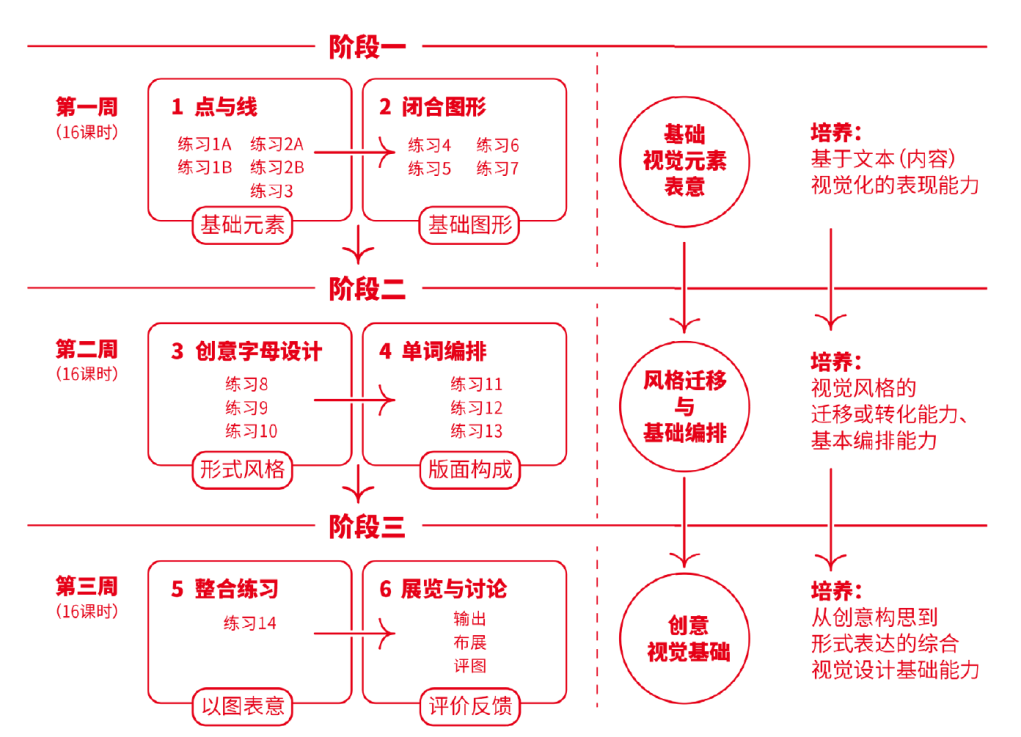
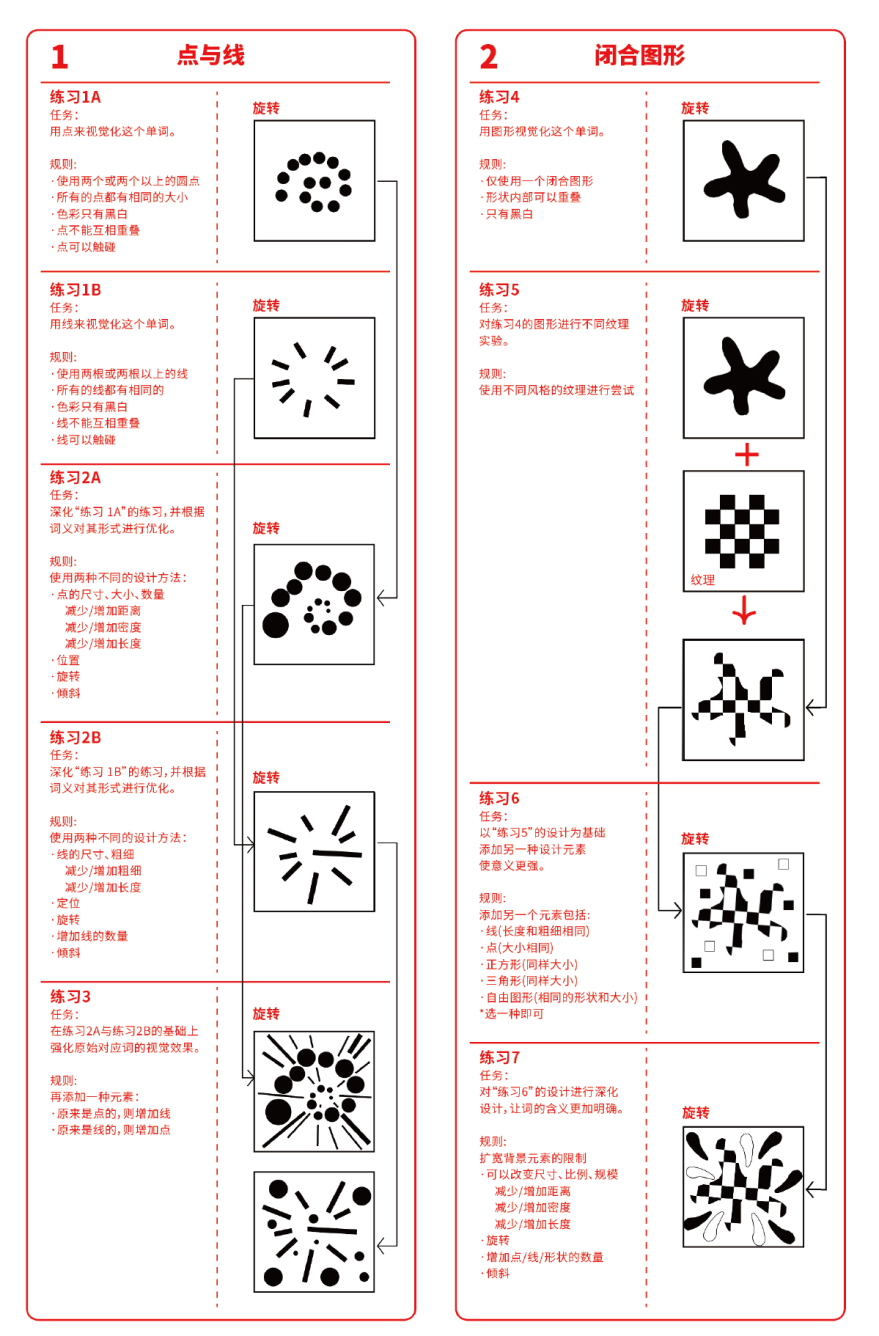
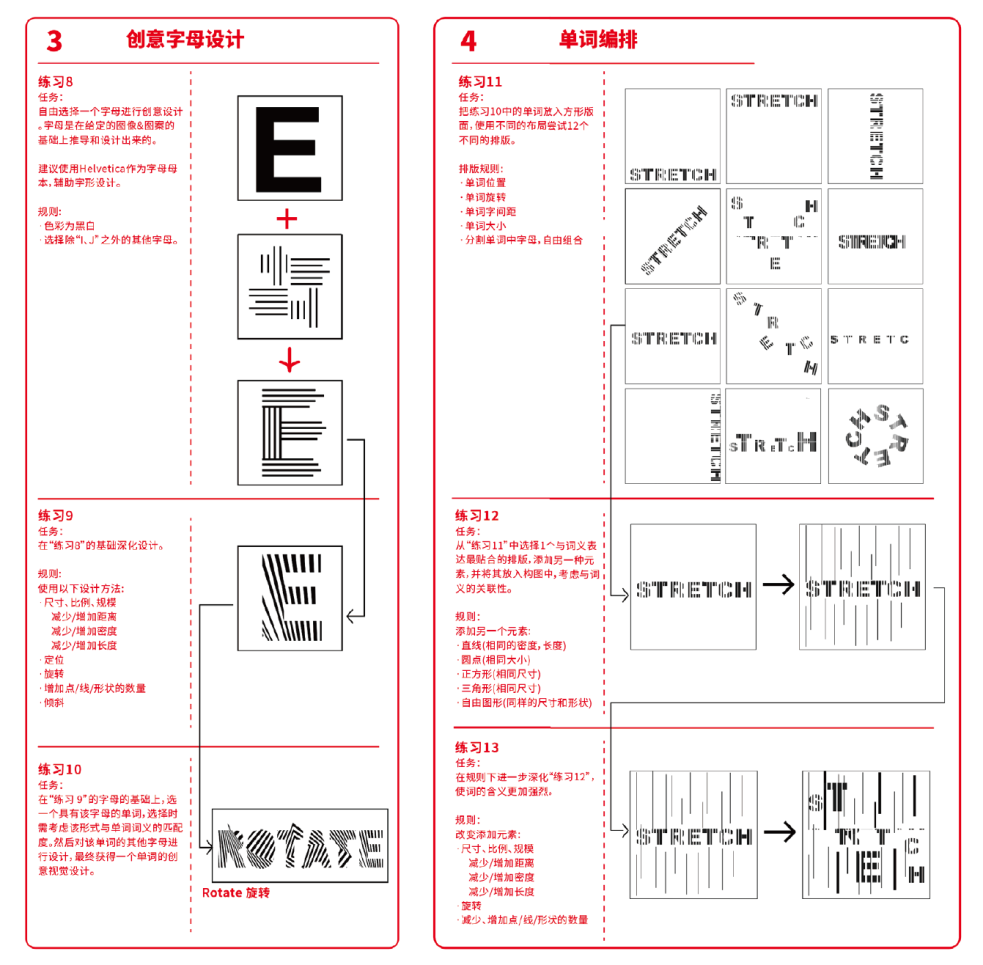
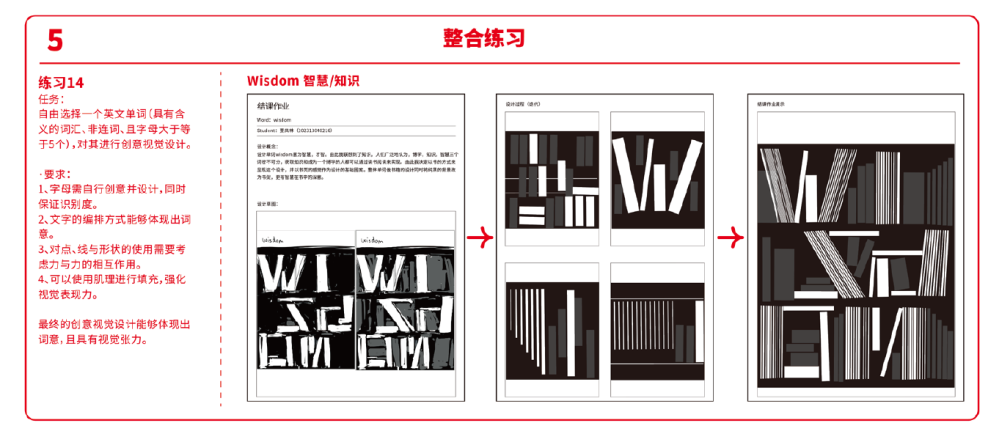
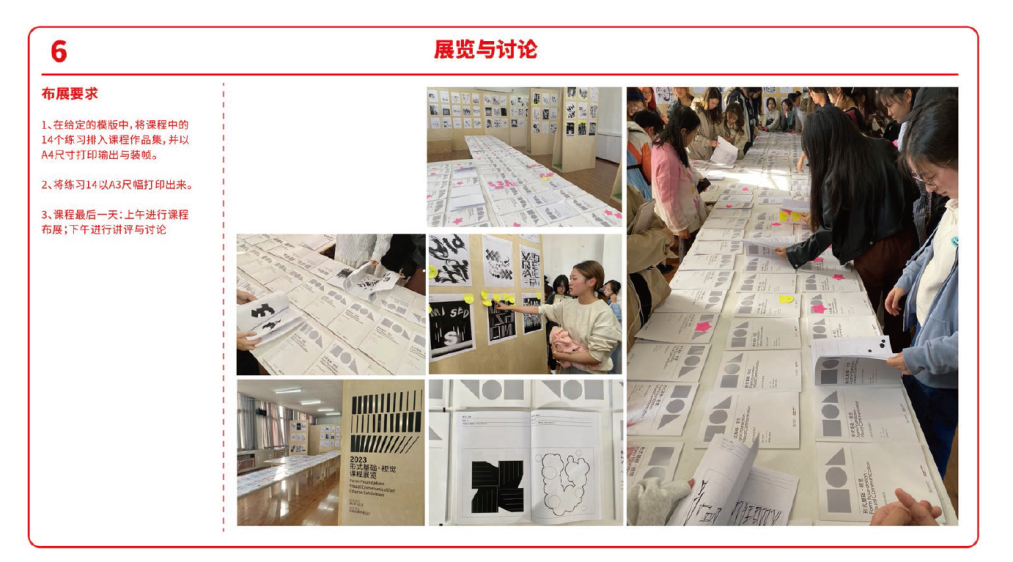
随着一系列技术革命与产业变革,设计的内涵与外延都随着时代的发展有所拓展,设计基础课程也应适应新时代艺术设计本科人才培养目标。北京服装学院艺术设计学院以设计学大类培养模式进行招生与培养,开设“形式基础:视觉”课程作为二维设计基础课程。本文通过梳理该课程的发展脉络,分析课程定位下的教学目标,并从三个阶段进行教学设计,搭建了“点、线与闭合图形—创意字母设计与单词编排—整合练习、展览与讨论”层层递进的课程框架。在此过程中,课程将创意视觉设计过程分解为14个小练习,深入浅出、由易到难,培养学生兼备“理性”工作原则与“感性”创意视觉的设计能力。同时,探索“形式基础:视觉”成为数智时代下设计学学科内各专业的“共同基础课”的实施路径与方法,以实现课程“最大公约数”的效力,希冀为当下的设计基础教学改革有所启发。

关键词: 形式基础, 平面构成, 设计基础, 视觉设计, 教学改革

Abstract:

As technological revolutions and industrial transformations unfold, design’s conceptual scope has expanded considerably, necessitating adaptation in foundational design courses to meet contemporary undergraduate art and design education objectives. Beijing Institute of Fashion Technology’s School of Art and Design has implemented a generalized design studies cultivation model, featuring “Form Foundation: Visual” as its two-dimensional design foundation curriculum. This paper analyzes the course’s developmental trajectory through examining its pedagogical positioning and three-stage instructional design. It establishes a progressive curricular framework encompassing: 1. Points, lines, and closed shapes; 2. Creative letter design and word composition; and 3. Integrated exercises, exhibitions, and discussions. The course systematically deconstructs creative visual design processes into 14 sequential exercises progressing from simple to complex concepts, cultivating students’ dual capabilities in “rational” working principles and “sensibility-driven” creative visual design. Additionally, the study explores implementation pathways for establishing “Form Foundation: Visual” as a “common foundational course” across design disciplines in the digital-intelligent era. By pursuing the “greatest common divisor” of curricular effectiveness, this research aims to inspire contemporary reforms in foundational design education.

Key words: Form Foundation, Plane Composition, Design Foundation, Visual Design, Teaching Reform