上海视觉

上海视觉 ›› 2026, Vol. 0 ›› Issue (3): 48-57.

• 理论研究 • 上一篇    下一篇

中国舞蹈“意义化偏向”的视觉修辞研究——舞蹈学与视觉修辞学的交叉学科视角

何薇   

  1. 广东技术师范大学, 广州 510000
  • 出版日期:2026-09-20 发布日期:2026-10-26
  • 作者简介:何薇(1985— ),女,北京大学新闻与传播学院传播学博士,广东技术师范大学文学与传媒学院讲师,硕士生导师。研究方向为视觉修辞、舞蹈传播、国际传播。

A Research on Visual Rhetorical Methods of Meaning-Oriented Bias in Chinese Dance: An Interdisciplinary Perspective Integrating Dance Study and Visual Rhetoric

HE Wei   

  • Online:2026-09-20 Published:2026-10-26

摘要:

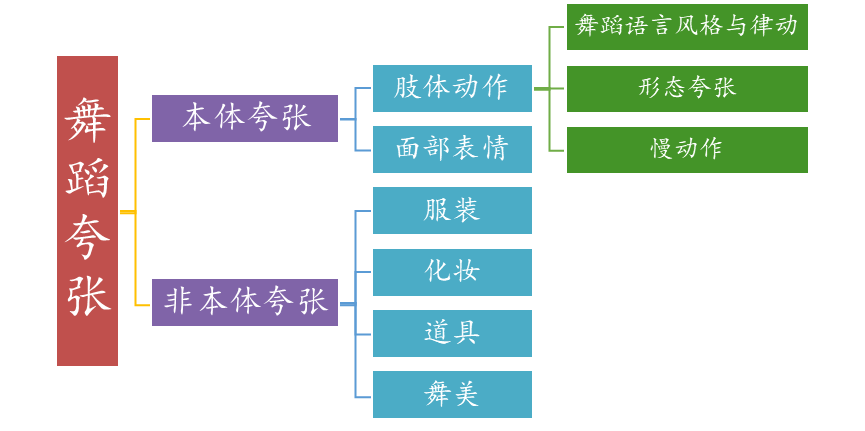
舞蹈作为一门独立的艺术语言体系,在文化传播和讲述“中国故事”方面具有独特的文化表意潜能。本文将舞蹈作品所创造的场域视为一个完整的视觉空间文本,在前期完成对舞蹈视觉修辞跨学科探讨与构建的基础上,继续深入综括提出中国舞蹈编创中四种蕴含中国文化、中国哲学、中国审美的“意义化偏向”舞蹈视觉修辞方法:舞蹈视觉喻拟、舞蹈视觉夸张、舞蹈视觉借代和舞蹈视觉双关,并分别对其进行了内涵界定、类型梳理、修辞结构剖析和调用手段的阐释。本研究进一步完善了舞蹈视觉修辞跨学科研究范式,为中国舞蹈国际传播与跨文化交流提供全新理论支撑和实践策略。

关键词: 舞蹈修辞, 视觉修辞, 意义化偏向, 中国舞蹈, 舞蹈视觉修辞策略

Abstract:

As an independent artistic language system, dance possesses unique cultural signification potential in communicating “Chinese stories”. This article considers the scenic space created by choreographic works to be a complete visual text. Drawing on prior interdisciplinary explorations and constructions of dance visual rhetoric, it outlines the four “meaning-oriented biases” in dance visual rhetoric methods that embody Chinese culture and philosophical aesthetics in the international dissemination of Chinese dance. These include dance visual metaphor, dance visual exaggeration, dance visual metonymy, and dance visual pun. The study defines the connotations, categories the varieties, analyses the structures, and illustrates the rhetorical devices used in different dance figures of speech. It further constructs, refines, and consolidates the research paradigm and foundational framework of dance visual rhetoric, an interdisciplinary field integrating dance studies and visual rhetoric. Finally, it offers new theoretical underpinnings and practical strategies for the effective international dissemination and cross-cultural communication of Chinese dance.

Key words: Dance Rhetoric, Visual Rhetoric, Meaning-Oriented Bias, Chinese Dance, Dance Visual Rhetorical Strategies