上海视觉

上海视觉 ›› 2026, Vol. 0 ›› Issue (3): 108-114.

• 艺术批评 • 上一篇    下一篇

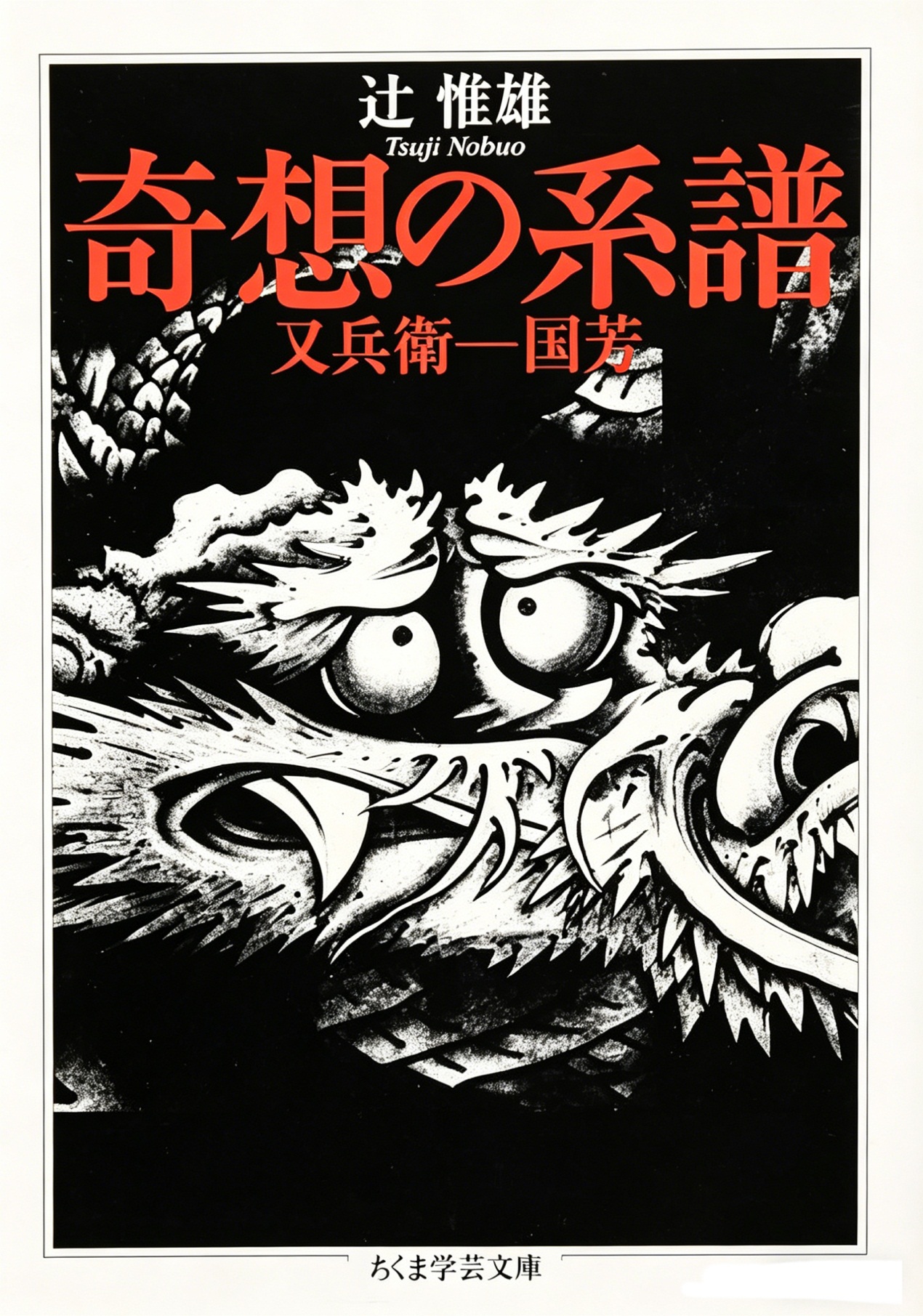
被遮蔽的先锋:奇想风格视域下日本江户美术史的重构

乐丽君   

  1. 上海大学, 上海 200444
  • 出版日期:2026-09-20 发布日期:2026-10-26
  • 作者简介:乐丽君(1981— ),女,上海大学艺术学博士,上海大学上海美术学院讲师,硕士生导师。研究方向为艺术学理论。

The Buried Avant-Garde: A Reconstruction of Edo Japanese Art History through the Lens of Fantastic Style

LE LIJUN   

  • Online:2026-09-20 Published:2026-10-26

摘要:

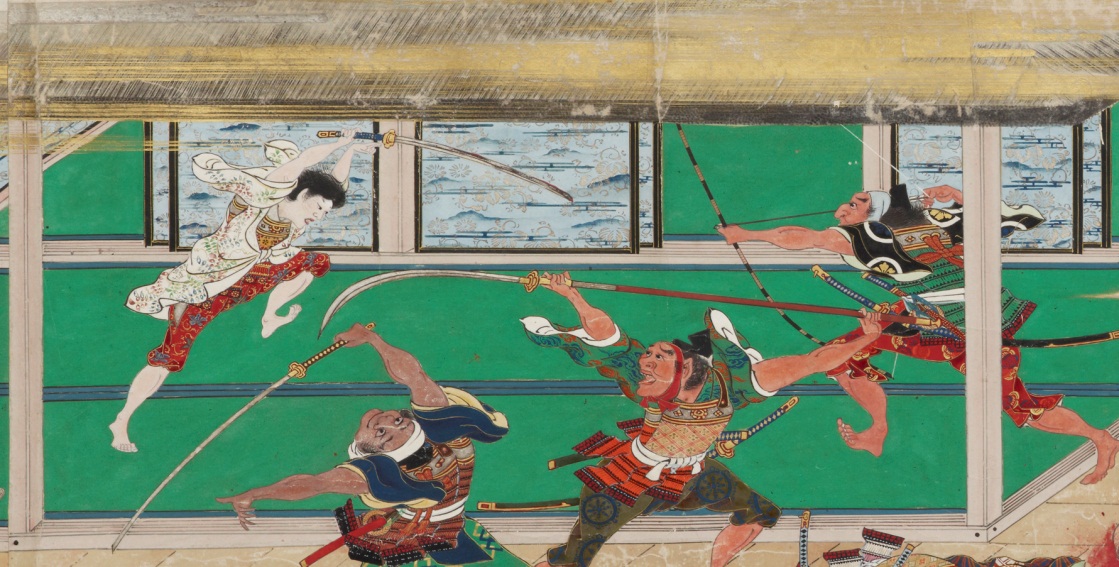
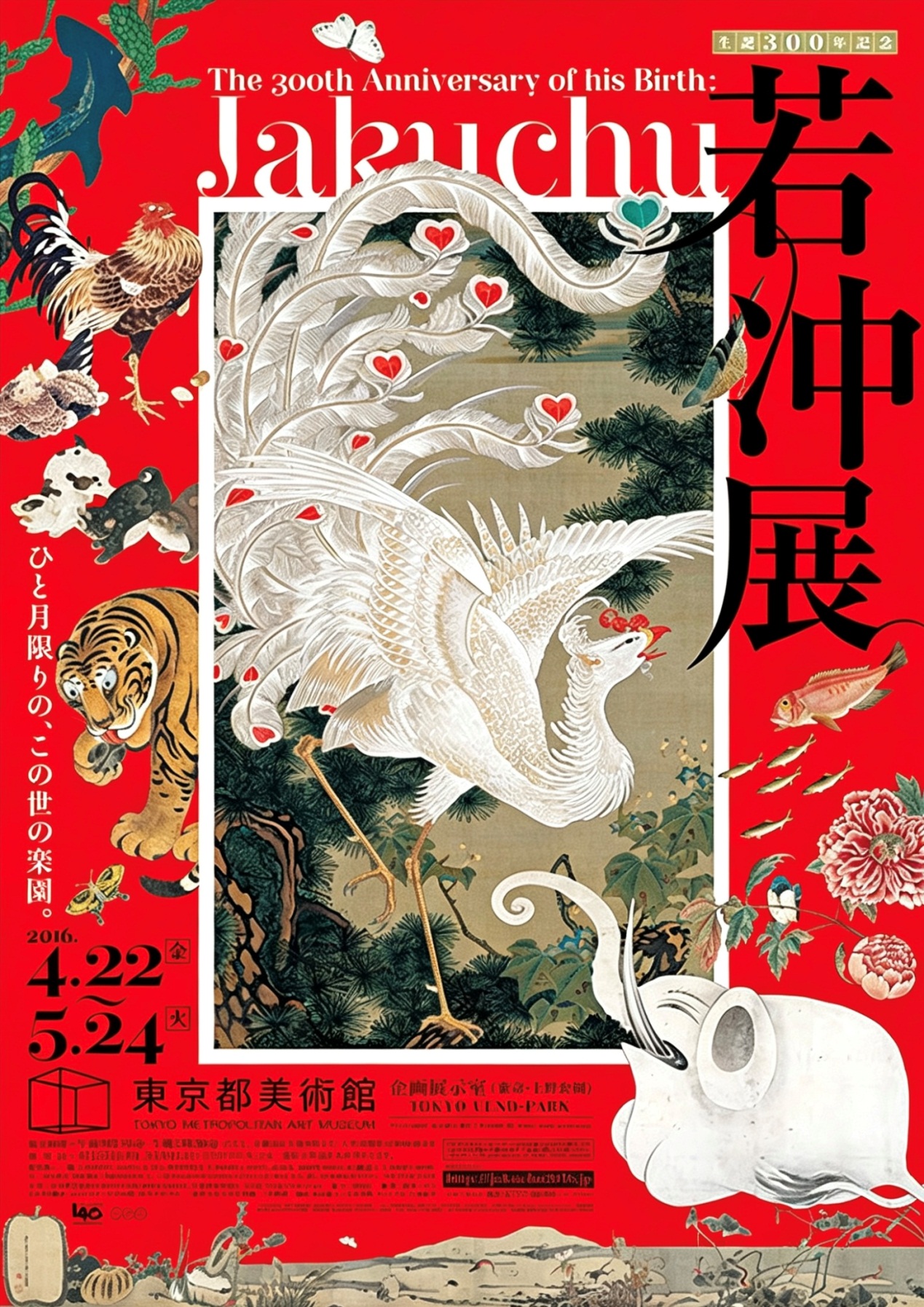
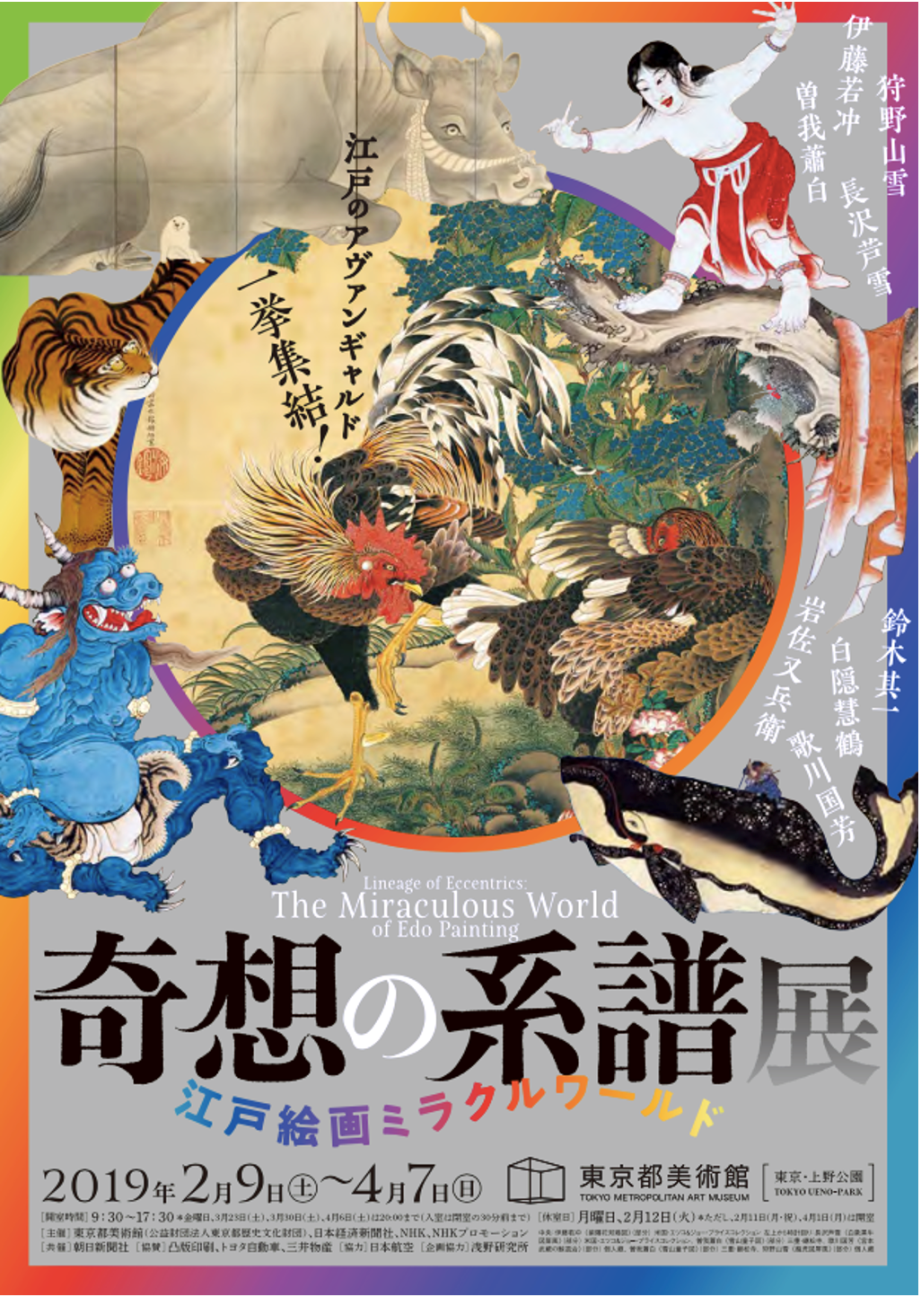
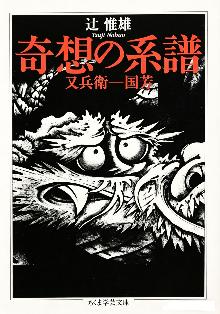
1970年辻惟雄著《奇想的系谱》书写了被美术史遮蔽的六位具有奇想风格的艺术家,引发了日本学术界持续的研究热潮。文章通过文献分析与比较研究法,指出日本美术史作为一门综合性学科,自其现代学术建制形成以来,不断处于反思与重构之中。奇想风格艺术作品积极吸收中国绘画的逸然性,又不同于主流的南画风格,尤其体现出日本美术的“游戏性”特点,这是日本民族心理意识深处的另一种乐观主义精神底蕴。同时,这些艺术家受中国“墨戏”思想影响,与中国“狂态邪学”艺术的气质有相通性,以及其与当代日本亚文化全球化的联系,为艺术史研究提供新的视点。

关键词: 《奇想的系谱》, 辻惟雄, 江户时代, 日本美术, 游戏性

Abstract:

In 1970, Nobuo Tsuji’s book, Lineage of Eccentrics, brought to light six imaginative artists previously overlooked in art history. This publication sparked a sustained research boom within the Japanese academic community. Through literature and comparative analysis, this paper argues that Japanese art history, as a comprehensive discipline, has been in a constant state of reflection and reconstruction since the formation of its modern academic system. Artworks with an imaginative style particularly reflect the “game-like” characteristics of Japanese art and the optimistic spirit deeply embedded in the Japanese national psyche. At the same time, these artists were influenced by the Chinese “brushstroke art” ideology and share similarities with the temperament of Chinese “wild display” art. Their connection to the globalization of contemporary Japanese subcultures provides new perspectives for the study of art history.

Key words: Lineage of Eccentrics, Nobuo Tsuji, Edo Period, Japanese Art, Game-like