上海视觉

上海视觉 ›› 2026, Vol. 0 ›› Issue (2): 142-150.

• 国际连线 • 上一篇    下一篇

从装饰工艺到外销艺术:日本南蛮漆器源流述考

李光耀, 舒逸飞   

  1. 上海大学上海 200444
  • 出版日期:2026-06-20 发布日期:2026-07-20
  • 作者简介:李光耀(1995— ),男,上海大学设计学博士。研究方向为传统工艺与物质文化、亚洲漆文化圈、当代漆画表现语言。
    舒逸飞(1998— ),男,泰国艺术大学硕士在读。研究方向为装饰艺术。
  • 基金资助:
    国家社会科学基金艺术学一般项目“明清外销漆器设计研究”阶段性成果(编号20BG104);2022年度江西省哲学社会科学重点研究基地项目“亚洲漆文化圈工艺谱系研究”阶段性研究成果(编号22SKJD37)

From Decorative Craft to Export Art: A Historical Study on the Origins and Development of Japanese Namban Lacquerware

LI Guangyao, SHU Yifei   

  • Online:2026-06-20 Published:2026-07-20

摘要:

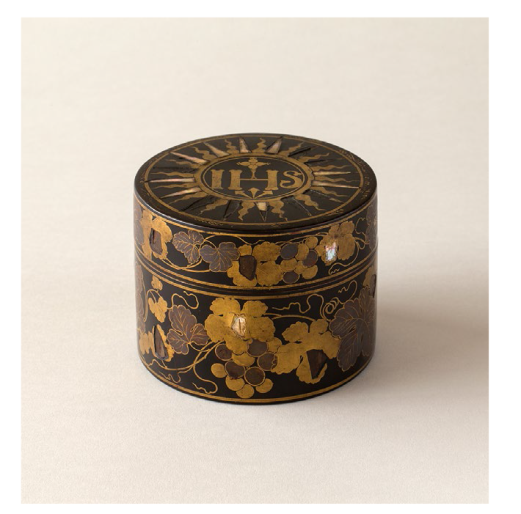
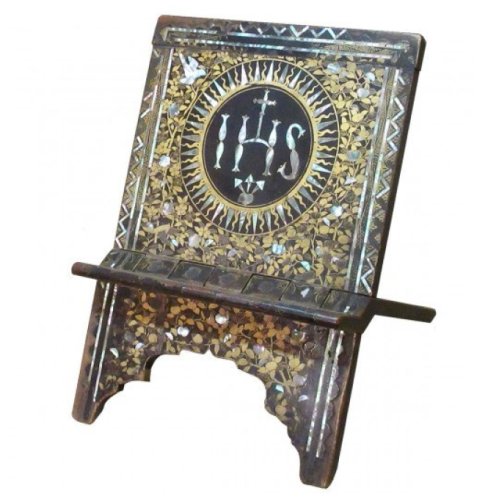
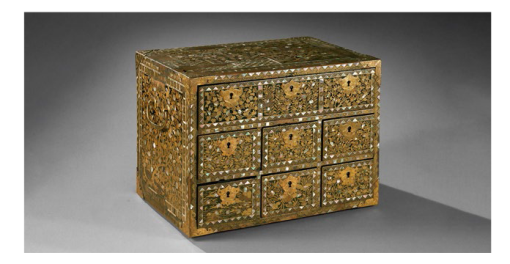
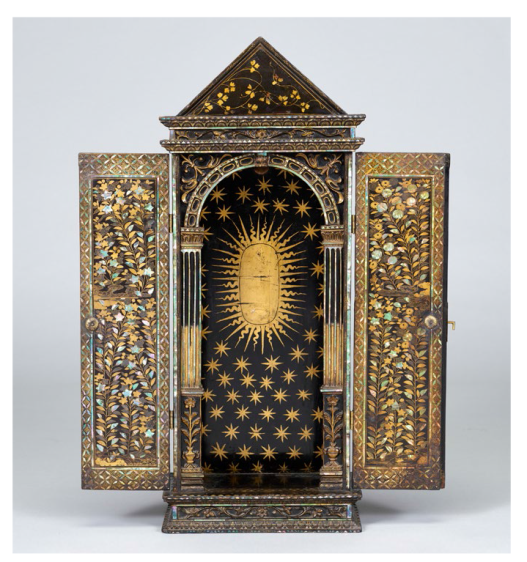
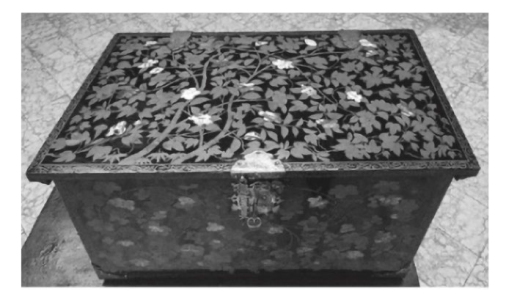
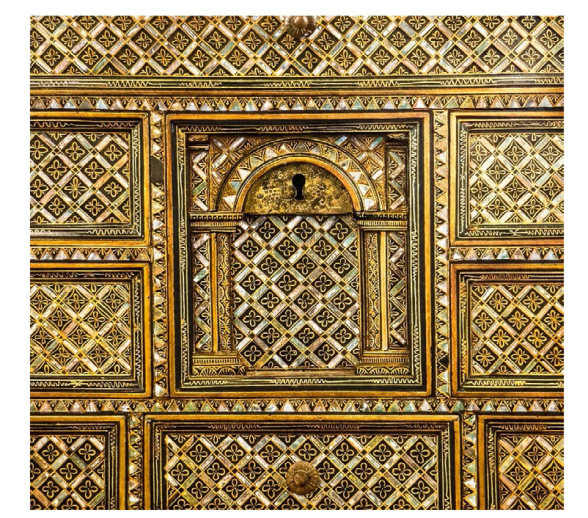
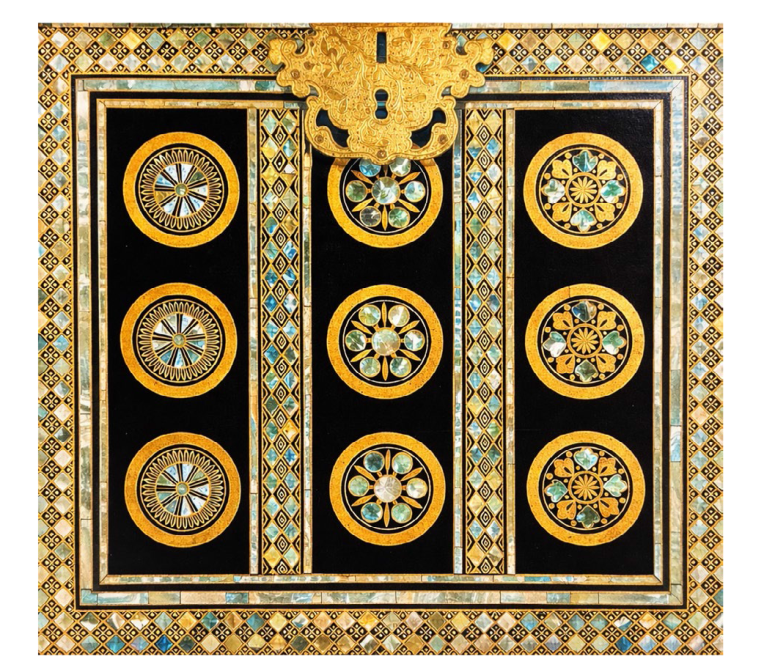
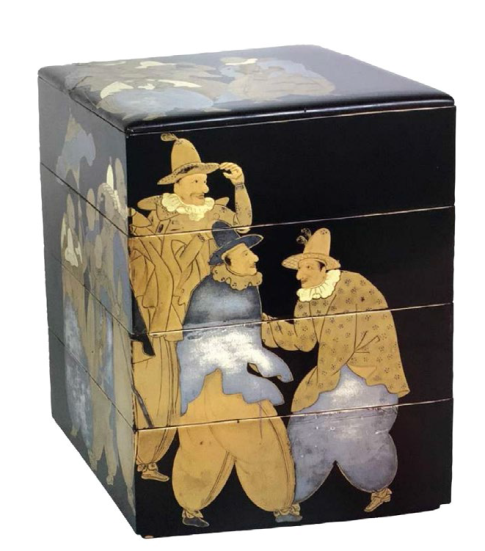
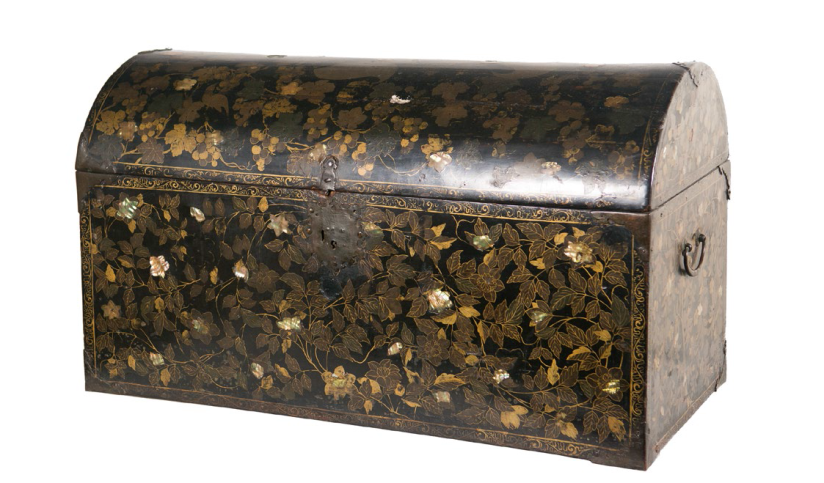
“南蛮漆器”是一种具有独特域外风格特征的漆工艺形态。它产生于16世纪末葡萄牙人到达日本后的数十年间,约在16世纪80年代至17世纪30年代之间形成并盛行,其生产集中在17世纪上半叶的京都,主要通过定制生产、海上贸易等途径外销至欧洲,具有鲜明的工艺与图式特征。基于此,本文以基督教在日本的传播为时代背景,通过艺术史和技术史的双重视角,一方面对葡萄牙、西班牙与意大利传教士的原始手稿与档案中有关漆器的零散记述进行译释、比对与考证,推测其初步起源与发展路径;另一方面,在对比东亚漆工艺与物质文化的基础上,阐述和指出“南蛮漆器”的独特性、历史性及内在的多源性,进而搭建出“南蛮漆器”的历史脉络和概念范围,同时厘清其在全球物质文化交流中的多重面貌与内在逻辑。

关键词: 装饰工艺, 外销艺术, 南蛮漆器, 物质文化

Abstract:

Namban Lacquerware is a distinctive form of lacquer art characterized by its unique hybrid aesthetic, reflecting foreign cultural influences. It emerged in the late 16th century, several decades after the Portuguese first reached Japan, and developed into a prominent craft between the 1580s and 1630s. Production was concentrated in Kyoto during the first half of the 17th century, with pieces primarily exported to Europe via commissioned orders and maritime trade, exhibiting distinctive technical and iconographic features. Against the backdrop of Christian missionary activities in Japan, this study adopts dual perspectives of art history and technical history. On one hand, it examines and cross-references fragmentary references to lacquerware found in original manuscripts and archives of Portuguese, Spanish, and Italian missionaries, proposing hypotheses regarding the origins and developmental trajectory of Namban Lacquerware. On the other hand, comparative analysis with East Asian lacquer techniques and material cultures elucidates the uniqueness, historical significance, and multicultural origins of Namban Lacquerware. Ultimately, this paper aims to reconstruct the historical and conceptual framework of Namban Lacquerware, while clarifying its multifaceted role and underlying dynamics within global material cultural exchanges.

Key words: Decorative Arts, Export Art, Namban Lacquerware, Material Culture