上海视觉

上海视觉 ›› 2026, Vol. 0 ›› Issue (2): 61-66.

• 艺术批评 • 上一篇    下一篇

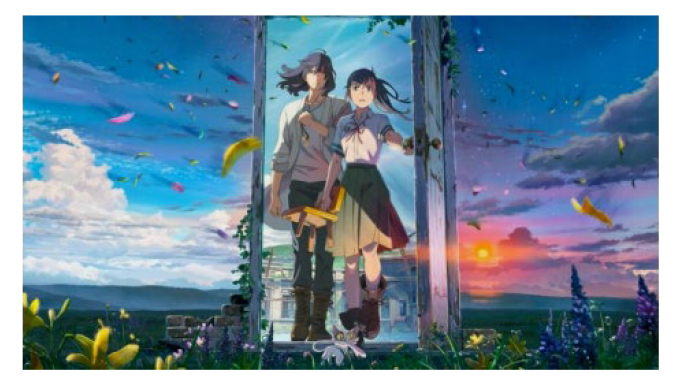
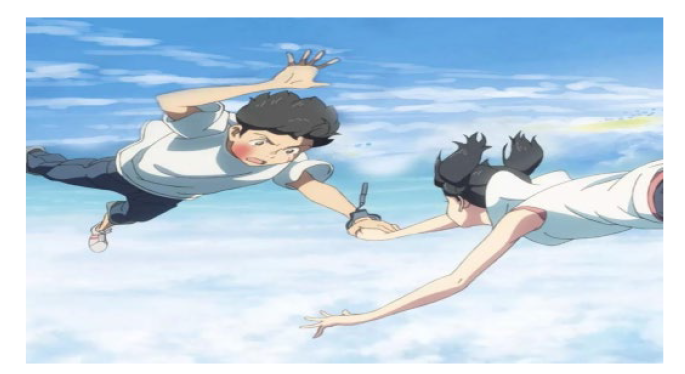
新海诚“灾难三部曲”的叙事策略与主体心理建构

徐艺嘉   

  1. 曲阜师范大学曲阜 273100
  • 出版日期:2026-06-20 发布日期:2026-07-20
  • 作者简介:徐艺嘉(1992— ),女,曲阜师范大学中国语言文学流动站博士后。研究方向为电影媒介与大众文化。

Disaster Narrative and Psychological Construction of Subjects in Makoto Shinkai’s “Disaster Trilogy”

XU YiJia   

  • Online:2026-06-20 Published:2026-07-20

摘要:

在灾难叙事与精神分析的理论视域下,新海诚的“灾难三部曲”均采用“灾难发生—对抗灾难—战胜灾难”的叙事模式,对应其中的主体角色心理则是从镜像依恋到反抗规训再到主体重生的成长变化。这些影片在具象或意象上的强烈表现力是人在心灵层面对灾难的现实沉思的反映。导演通过创伤文化和主体心理透视人类在面对灾难命运和社会规训下表现出强大意志与希望的多重生命维度。新海诚动画电影不仅再现了“后3·11时代”日本青年主体的“个体觉醒”与“无根性”文化心理,还表达了以自我拯救意识回应日本后现代创伤记忆的“救赎”,同时表现出对地球环境的深刻忧思。

关键词: 新海诚, 灾难三部曲, 灾难叙事, 主体心理

Abstract:

From the theoretical perspectives of disaster narrative and psychoanalysis, Makoto Shinkai’s disaster trilogy employs a narrative structure of “disaster occurrence—confrontation with disaster—overcoming disaster”. Correspondingly, the protagonists undergo psychological transformations from mirror-image attachment and self-rebellion against discipline to the rebirth of the subject. The films’ potent expressive force and impact, whether concrete or symbolic, reflect humanity’s profound psychological contemplation of disaster. Through trauma culture and subject psychology, the director illuminates the inner dimensions of human resilience and hope in confronting catastrophic fate and societal discipline. Makoto Shinkai’s animated films not only recreate the “post-311 era” Japanese youth’s cultural psychology of “individual awakening” and “rootlessness”, but also express the “redemption” of Japan’s postmodern traumatic memory through self-salvation consciousness. Simultaneously, they convey profound concern for the Earth's Earth’s environment.

Key words: Makoto Shinkai, Disaster Trilogy, Disaster Narrative, Subject Psychology