上海视觉

上海视觉 ›› 2026, Vol. 0 ›› Issue (2): 1-8.

• 跨媒介视域下的中国形象建构与视觉表达 •    下一篇

“中国风情”与“中国主义”的视觉间性重构

梅晓雪   

  1. 福建江夏学院福州 350100
  • 出版日期:2026-06-20 发布日期:2026-07-20
  • 作者简介:梅晓雪(1980— ),女,意大利巴勒莫大学博士,福建江夏学院讲师、实验室主任。研究方向为美术史论。

The Reconstruction of Intervisuality between “Chinoiserie” and “Chinesism”

MEI Xiaoxue   

  • Online:2026-06-20 Published:2026-07-20

摘要:

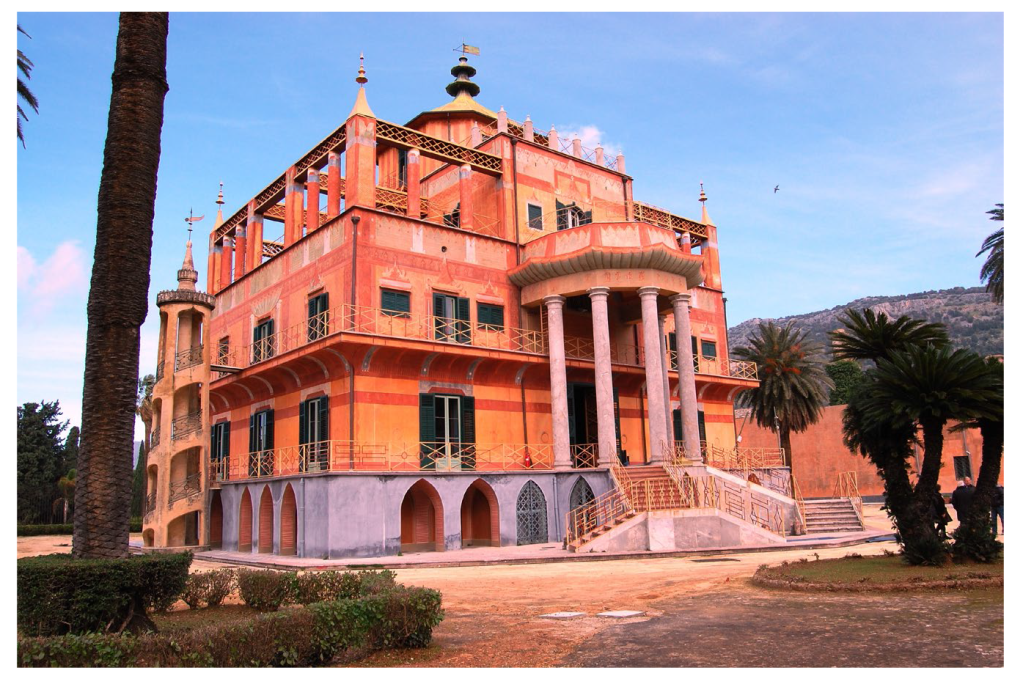
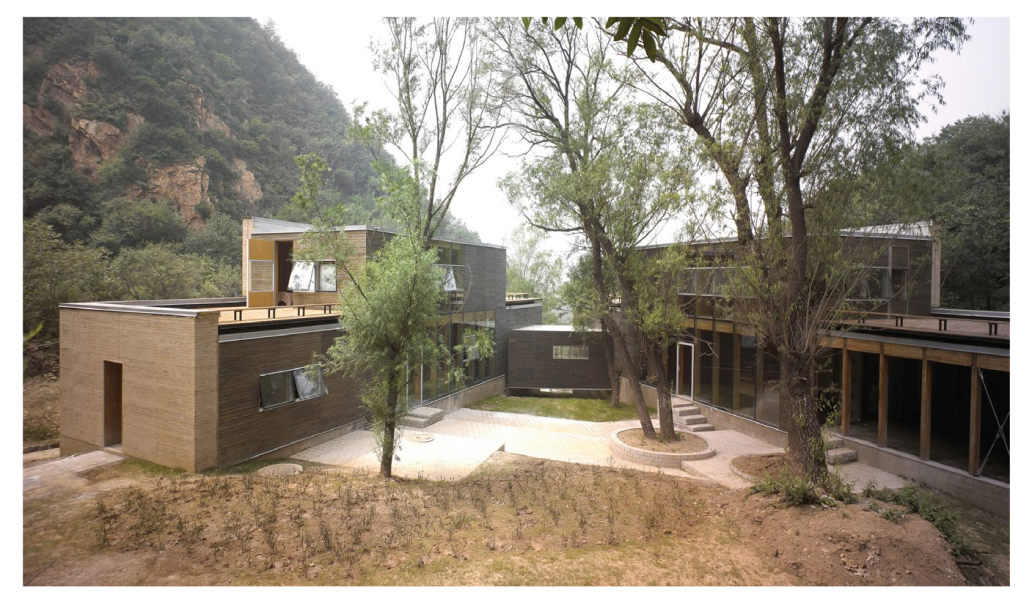
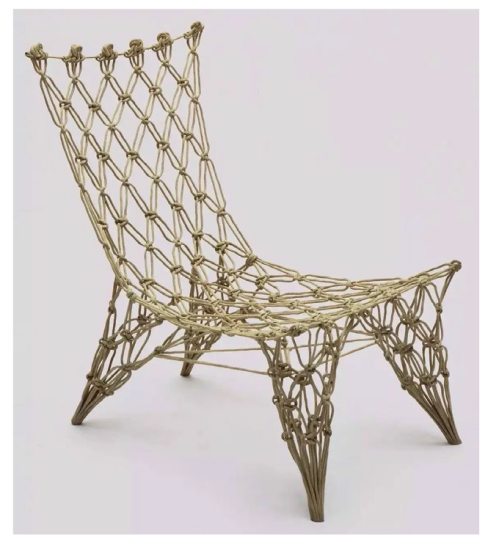
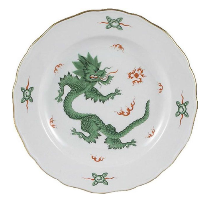
本文以“中国风情”(Chinoiserie)与“中国主义”(Chinesism)的双重视角切入,探讨二者在全球艺术史中的视觉间性互动与跨文化修辞机制。通过引入“认知补偿”理论,提出中国风情的本质并非欧洲对东方文化的单向挪用,而是一种通过视觉符号重组实现的文化调和实践;而中国主义则是全球化语境下对中华文化内核的深度重构,其核心在于超越表象装饰,直指中国艺术的精神性与功能性。研究结合17世纪至18世纪欧洲贵族艺术、中国风情宫殿以及当代中国文化精神之表达,揭示了两者在文化身份认同、艺术符号转译与认知落差填补中的动态关系,为跨文化艺术史研究提供新的方法论框架,并指向后殖民语境下非西方艺术的主体性重建可能。

关键词: 中国风情, 中国主义, 视觉间性, 跨文化修辞, 双向阐释

Abstract:

This article explores the intervisual interaction and cross-cultural rhetorical mechanisms between "Chinoiserie" and "Chinesism" in global art history from a dual perspective. Introducing the theory of "cognitive compensation", it proposes that Chinoiserie is not a one-way appropriation of Eastern culture by Europe but rather a practice of cultural reconciliation achieved through the recombination of visual symbols. Chinesism, by contrast, is a profound reconstruction of the core of Chinese culture in the context of globalization. It transcends superficial decoration to directly address the spiritual and functional dimensions of Chinese art. The study integrates the art of European aristocracy in the 17th and 18th centuries with expressions of contemporary Chinese cultural spirit. It reveals the dynamic relationship between the two in terms of cultural identity construction, artistic symbol translation, and bridging cognitive gaps. This research provides a new methodological framework for cross-cultural art historystudies and points toward the possibility of reconstructing the subjectivity of non-Western art within a post-colonial context.

Key words: Chinoiserie, Chinesism, Intervisuality, Cross-Cultural Rhetorical, Dialogical Interpretation