上海视觉

上海视觉 ›› 2024, Vol. 0 ›› Issue (3): 1-5.

• 心理疗愈与艺术 •    下一篇

基于分心疗法的EEG生物反馈疼痛干预游戏化系统设计:一种新颖的疼痛管理方法

魏米诺, 韩挺, 刘雨妍, 田昌英, 向宏清, 杨双   

  1. 上海交通大学,上海 200240
    四川省肿瘤医院,四川 610041
  • 出版日期:2024-10-20 发布日期:2024-12-27
  • 通讯作者: 韩挺(1976—),男,浙江大学博士,上海交通大学教授、博士研究生导师,研究方向为设计管理和设计战略、用户研究和体验设计、创新设计和交互设计等。
  • 作者简介:魏米诺(1998—),女,上海交通大学博士在读,研究方向为人机交互设计。
    刘雨妍(1999—),女,上海交通大学硕士,腾讯科技有限公司游戏策划,研究方向为交互设计、游戏设计。
    田昌英(1969—),女,成都中医药大学学士,四川省肿瘤临床医学研究中心、四川省肿瘤医院研究所、四川省癌症防治中心、电子科技大学附属肿瘤医院妇瘤科主任护师,研究方向为肿瘤患者症状管理,康复管理,延续护理等。
    向宏清(1968—),男,中国药科大学学士,四川省肿瘤临床医学研究中心、四川省肿瘤医院研究所、四川省癌症防治中心、电子科技大学附属肿瘤医院药学部主管药师,研究方向为医院药学。
    杨双(1998—),女,电子科技大学硕士,四川省肿瘤医院护士,研究方向为临床护理。
  • 基金资助:
    国家自然科学基金(72471140);麓山实验室研究计划项目;上海交通大学医工交叉重点项目(YG2023ZD10)

Design of a Game-Based EEG Biofeedback Pain Intervention System Using Distraction Therapy: A Novel Approach to Pain Management

WEI Minuo, HAN Ting, LIU Yuyan, TIAN Changying, XIANG Hongqing, YANG Shuang   

  • Online:2024-10-20 Published:2024-12-27

摘要:

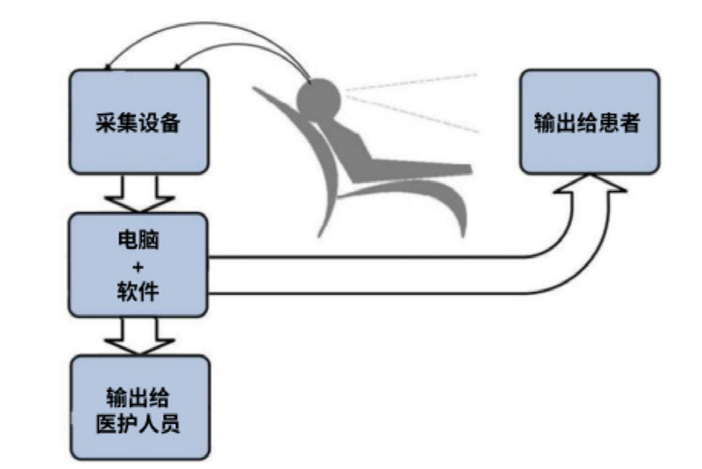
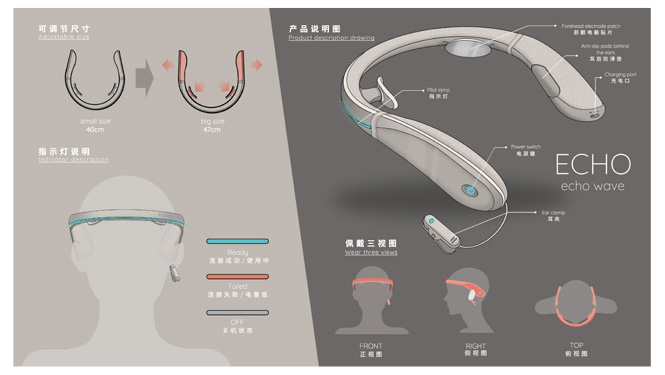
疼痛,被广泛认为是人类的第五大生命体征。随着癌症患者生存率的提高,有效的疼痛管理显得尤为重要。研究显示,在中国,平均72%前列腺癌患者会受到不同程度的疼痛困扰。为解决传统疼痛管理方法所带来的副作用和依赖性问题,本研究致力于开发一种基于分心疗法和EEG生物反馈的游戏化疼痛干预系统,并对52名癌症患者进行了实验验证。该系统通过分心疗法,结合EEG生物反馈技术,并利用TGAM芯片监测患者的前额脑电波,个性化调整游戏难度,进而优化分心效果。实验采综合性的评估指标来评价与统计干预系统对患者的影响。结果表明,使用该系统后,被试者的专注度得到显著提高,疼痛感知显著降低。证明了游戏化干预系统在癌症疼痛管理领域的有效性,展示了其广泛的应用潜力。

关键词: 分心疗法, EEG生物反馈, 疼痛干预, 游戏化设计, 癌症管理

Abstract:

Pain is widely considered to be the fifth vital sign of human beings. As survival rates for cancer patients increase, effective pain management becomes even more critical. Research shows that an average of 72% of Chinese prostate cancer patients will suffer from varying degrees of pain. Faced with the side effects and dependence problems caused by traditional pain management methods, this study is committed to developing a Game-Based pain intervention system using distraction therapy and EEG biofeedback and conducting experimental verification on 52 cancer patients. The system uses distraction therapy, combined with EEG biofeedback technology, uses a TGAM chip to monitor the patient's forehead brain waves, and adjusts the difficulty of the game on a personalized basis to optimize the distraction effect. The experiment uses comprehensive evaluation indicators to evaluate and count the impact of the intervention system on patients. The results showed that after using the system, the subjects' concentration was significantly improved and their pain perception was significantly reduced. The effectiveness of the gamified intervention system in the field of cancer pain management was demonstrated, demonstrating its broad application potential.

Key words: distraction therapy, EEG biofeedback, pain intervention, Game-Based design, cancer management