SHANGHAI VISION ›› 2024, Vol. 0 ›› Issue (3): 17-24.

• Psychological Healing and Art • Previous Articles     Next Articles

Construction Strategies for Campus Restorative Spaces from the Perspective of Expressive Art Therapy: Taking the "Sunshine Pavilion" Learning Center of the School of New Media Arts as an Example

MA Xiaojun, YANG Xin, WEI Lianmei, NING Xing   

  • Online:2024-10-20 Published:2024-12-27

Abstract:

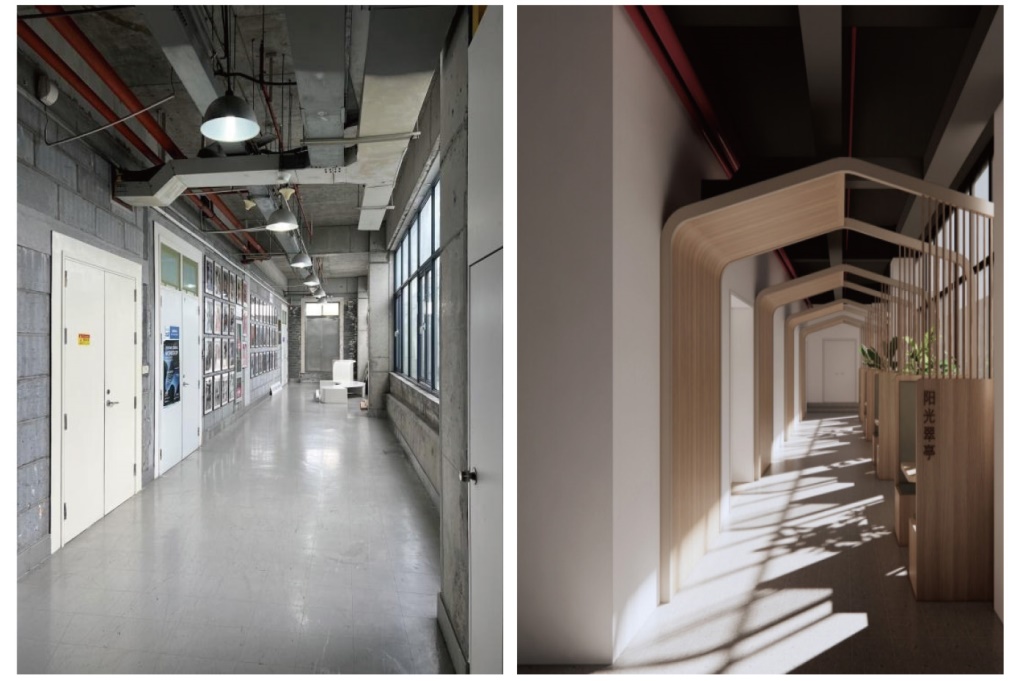
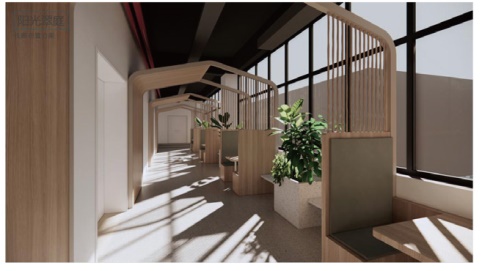
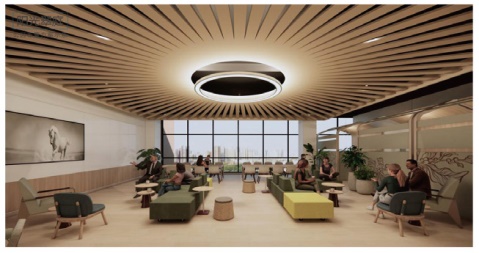
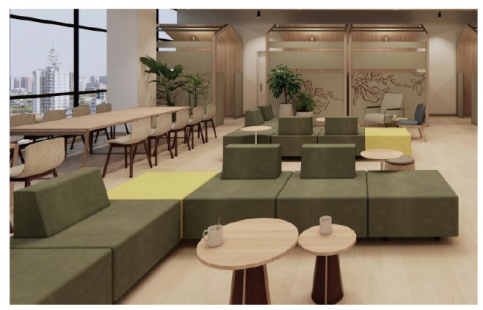
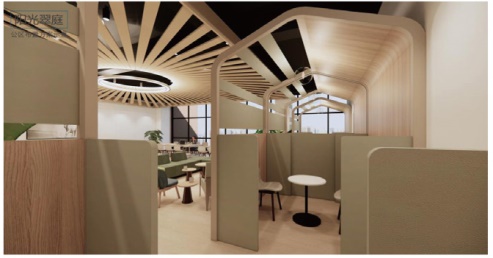
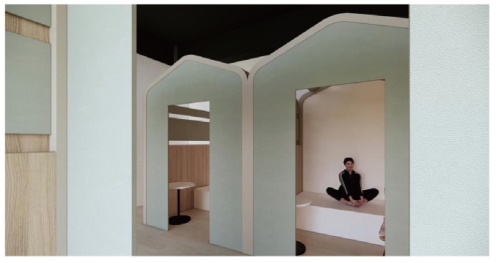
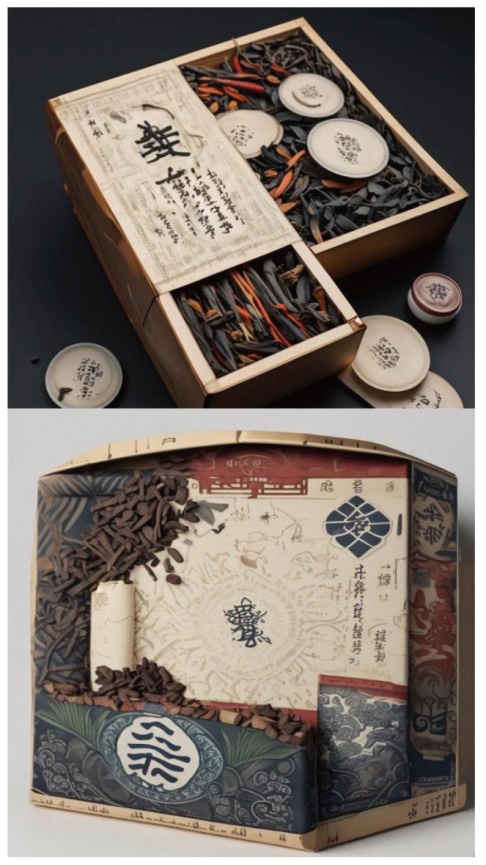
The burgeoning concern for faculty and student well-being underscores the urgency for innovative campus space design. This study, exemplified by the "Sunshine Pavilion" Learning Center in the School of New Media Art, explores the theoretical underpinnings and practical application of restorative campus spaces. Drawing on the restorative environment theory and informed by design ethics trends and international best practices, we propose that restorative spaces should embody shared, green, intelligent, and flexible characteristics. Practically, we outline a design approach centered around naturalness, functionality, and healing, considering spatial material, color, pattern, decoration, and function. Furthermore, we incorporate expressive art therapy principles to foster music, painting, and traditional Chinese medicine therapeutic spaces.

Key words: campus restorative space, expressive art therapy, the school of new media art, "Sunshine Pavilion" learning center